Comfort Food from America’s Last Frontier: Salmon, Sourdough, and Wild Berries
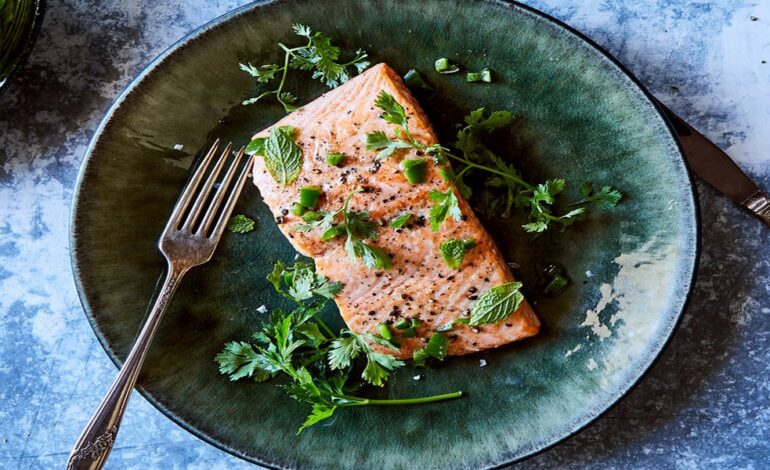

Alaska doesn’t have the food scene of New Orleans or the Lowcountry, but it has something just as compelling: a regional cuisine shaped by what the land and sea actually provide. The dishes that have come to define Alaska are honest and hearty, rooted in centuries of practical cooking by Indigenous peoples and the settlers who came later.
The result is food that feels deeply tied to place. You can’t really get an Alaskan meal anywhere else and have it taste quite right. Each of these foods carries the flavor of the cold rivers and short summers that produce them.
A Cuisine Built on What’s Available
Alaska’s food traditions developed where they had to. The growing season is too short for most farming, particularly in the interior and north. Hunting and fishing supply the protein. Foraged plants and berries provide the fresh element. Sourdough cultures, kept alive over decades, anchor the baking.
Indigenous peoples developed sophisticated techniques for preserving fish through smoking and drying. Russian settlers brought their own traditions in the early 1800s. Gold rush prospectors carried sourdough starters in their packs as they crossed the wilderness. Each wave of arrivals added something to what the people there were already eating.
Salmon: The Centerpiece
Salmon is the single most important food in Alaska. Five Pacific species swim up state rivers each summer to spawn. King salmon, also called chinook, are the largest. Sockeye is the most prized for fresh eating. Coho is the favorite for grilling. Pink and chum are the smaller species most commonly canned.
Sockeye salmon, with its bright red flesh and rich flavor, has become the headliner for restaurants across the state. Whether grilled or pan-seared, sockeye holds its character better than most fish. A piece served simply with lemon and a sprinkle of dill captures the spirit of Alaskan cooking.
Smoked salmon represents a different tradition entirely. Cold-smoked salmon retains a silky texture similar to lox. Hot-smoked salmon develops a firmer texture and a more concentrated flavor. Both styles have been preserved by Alaskan families for generations and still appear on tables across the state today.
On a Ship and Off
An Alaskan cruise typically includes salmon prepared in several ways during the trip. The ship’s chefs often work with local suppliers to source fish from the same waters the ship sails through. Shore excursion days may include a stop at a salmon bake, where fish is cooked over an open alder fire the way Indigenous peoples have prepared it for thousands of years.
The aroma alone is unforgettable. Alder smoke combined with the slight char of fish meeting flame defines the trip for many travelers. The cool air off the water completes the memory in a way no photograph can capture.
Sourdough: The Pioneer’s Bread
Sourdough has been part of Alaskan cooking since the gold rush days. Prospectors carrying starters in cloth pouches into the mountains became known as sourdoughs. The name eventually came to mean any seasoned old-timer in the territory.
The traditional Alaskan sourdough is a heartier bread than the airy artisan loaves popular in coffee shops today. It’s denser and chewier than typical artisan bread. It stands up to being slathered with butter or used as a base for hearty stews. Sourdough pancakes remain a breakfast tradition. Some Alaskan families still use starters that have been kept alive for more than a hundred years.
Sourdough pairs beautifully with smoked salmon or with a bowl of moose chili. The sour tang cuts the richness of any topping you put on it. A loaf in the freezer can be the foundation of dozens of meals.
Wild Berries: The Flavor of Short Summers
Alaska’s short growing season produces berries with unusually concentrated flavor. Wild blueberries grow in abundance across much of the state. Lingonberries and salmonberries thrive in the coastal regions. Cloudberries, harder to find, appear in boggy areas in late summer. Locals freeze them by the gallon in summer for use through the long winter.
Berry desserts are everywhere in Alaska. Berry pies. Berry cobblers. Berry pancakes with a drizzle of homemade syrup. Wild blueberry muffins served warm at small lodges along the highway. Salmonberry jam spread on sourdough toast.
Each berry has its own character. Wild blueberries are smaller and more intensely flavored than cultivated ones. Lingonberries are tart enough that they often pair with savory dishes, especially game meats. Salmonberries taste like a cross between raspberries and blackberries. Cloudberries, often called the gold of the bog, have a complex flavor that’s hard to describe and impossible to forget.
Other Specialties Worth Trying
Alaska’s cuisine extends beyond the famous three. Reindeer sausage shows up on breakfast plates and in chili across the state. Halibut, while not native to fresh water, is a staple of coastal cooking. King crab pulled fresh from Bering Sea waters has become an iconic luxury dish. Smoked oysters from southeast Alaska feature in chowders and on charcuterie boards.
For dessert, a slice of bumbleberry pie made with whatever berries the cook had on hand offers a fitting final note to a long day on the road.
Bringing It Home
You can recreate a lot of these flavors in your own kitchen with a little planning. Frozen wild Alaskan salmon is available at most grocery stores in the lower forty-eight. A simple preparation honors the fish best. A hot pan with a touch of olive oil. Salt and pepper. A minute and a half per side. A squeeze of lemon at the table.
Wild blueberry pancakes work for any weekend breakfast. Use frozen wild blueberries rather than fresh cultivated ones if possible. The flavor difference is striking. A drizzle of pure birch or maple syrup completes the dish.
Sourdough starter is the only ingredient you can’t quite buy off the shelf. A new starter takes about a week to develop from flour and water. Plenty of bakeries will sell you a small amount of established starter to get you going faster.
Why It Matters
The food of any place tells you something about the people who live there. Alaskan cuisine reflects a kind of practical patience. You work with what the season provides. You preserve carefully so winter is bearable. You make beautiful meals from a small palette of ingredients.
For visitors, these meals also become memories. Long after you’ve come home from a trip, the taste of fresh salmon over alder smoke or a slice of sourdough toast spread with wild berry jam can bring an entire trip back to mind. That is the highest compliment a regional cuisine can earn.